
Propane has long been a staple for heating homes and powering outdoor grills, but its role in the automotive industry is rapidly expanding. As businesses and individual drivers look for sustainable alternatives to traditional gasoline, propane-powered vehicles have emerged as a leader. This shift naturally leads to questions regarding the safety and practicality of using this fuel on the open road. Fortunately, modern technology and rigorous storage standards have made this energy source a remarkably secure choice for various types of transportation. By exploring the mechanical protections and the growing infrastructure surrounding this fuel, it becomes clear why so many organizations are making the switch to a professional commercial propane service.
Understanding the Fuel System Safety
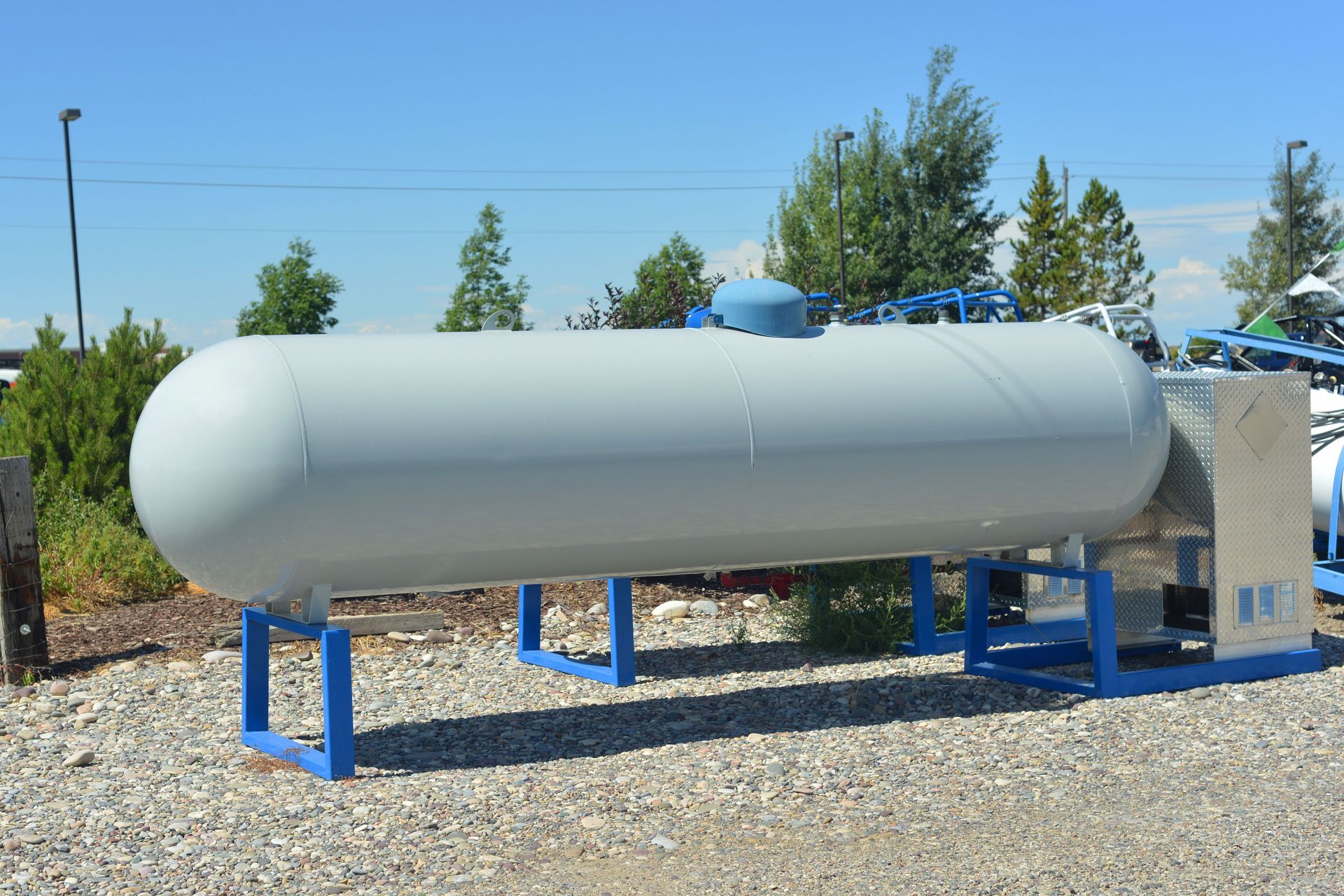
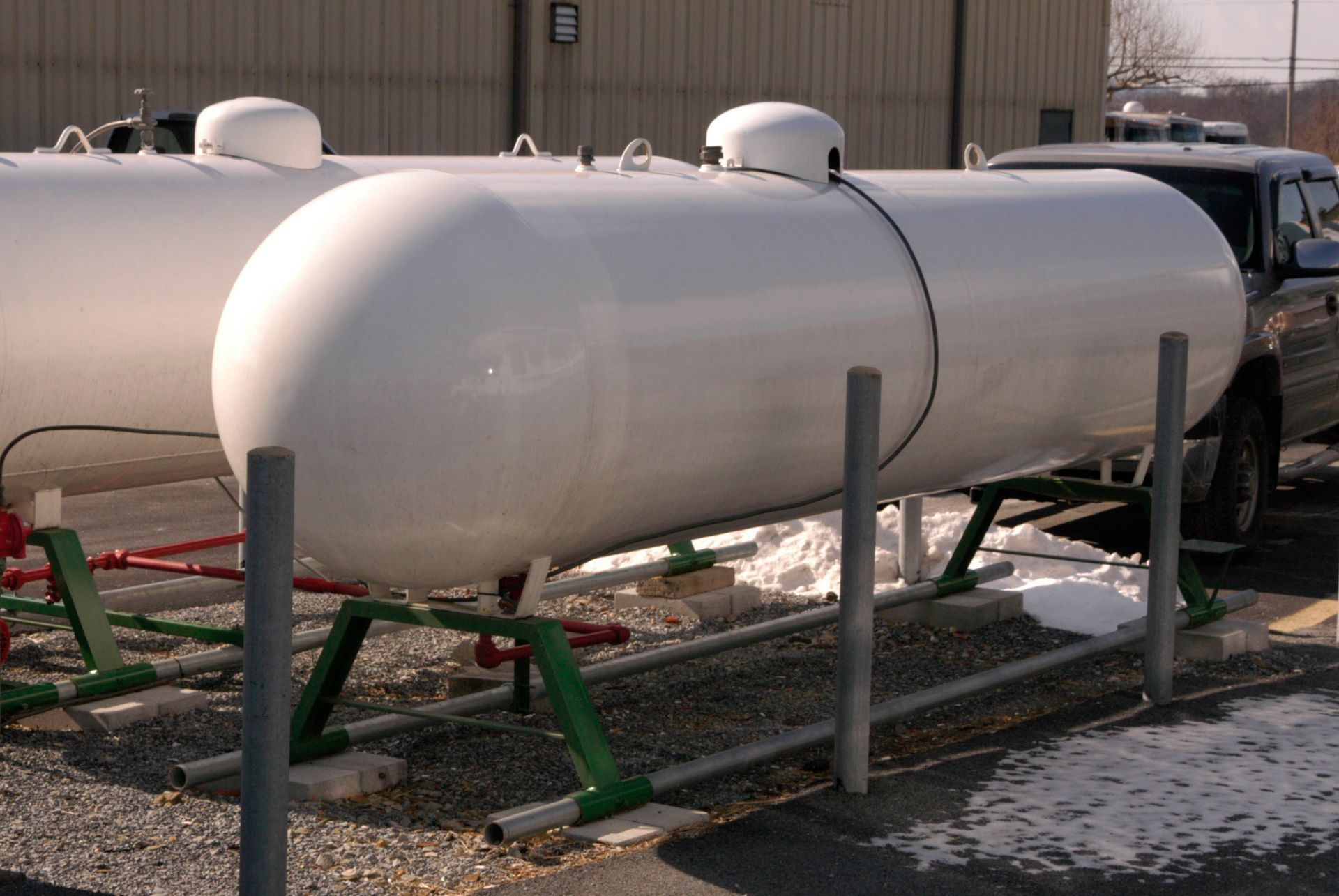
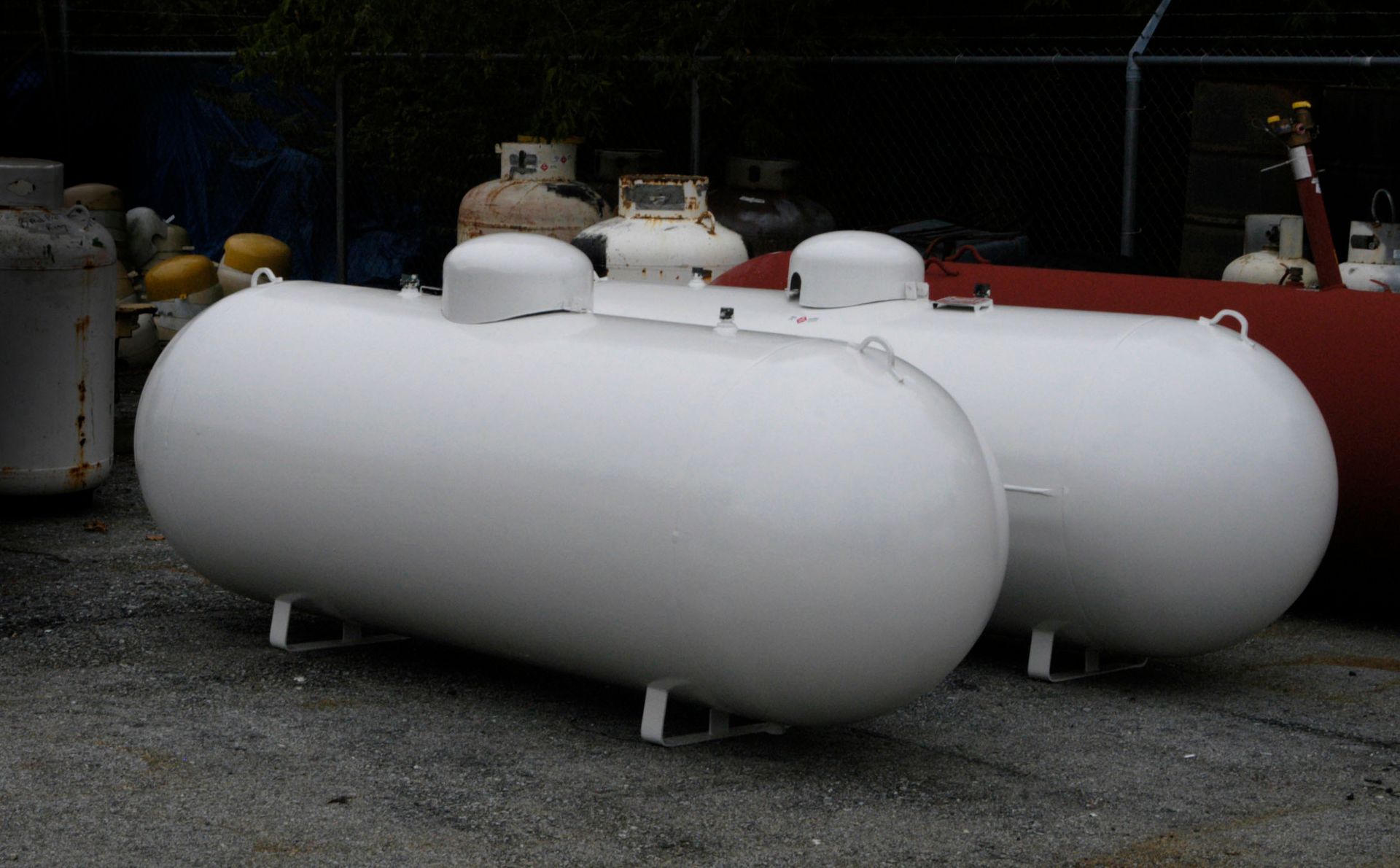
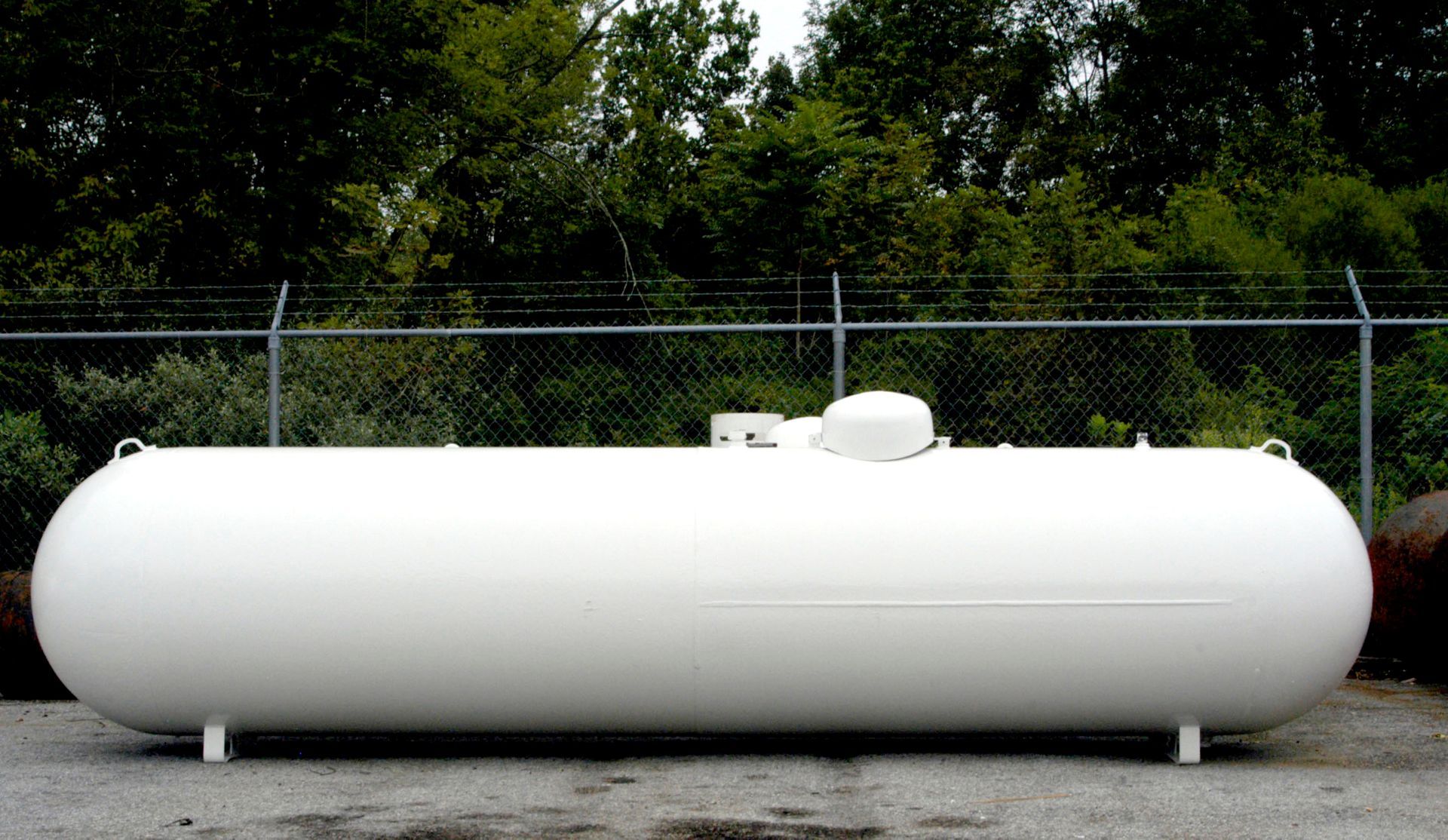
The engineering behind propane vehicle tanks is a testament to modern safety standards, as these containers are built to be significantly more rugged than standard gasoline tanks. Constructed from heavy-duty carbon steel, they offer a level of puncture resistance that is roughly twenty times greater than that of a traditional fuel tank. These systems are also equipped with advanced pressure-relief valves and automatic shut-off features that trigger in the event of a collision or a fuel line breach. Because the fuel is stored in a reinforced, closed-loop system, the risk of leaks or environmental contamination is drastically minimized during daily operation.
Reviewing the National Usage Statistics
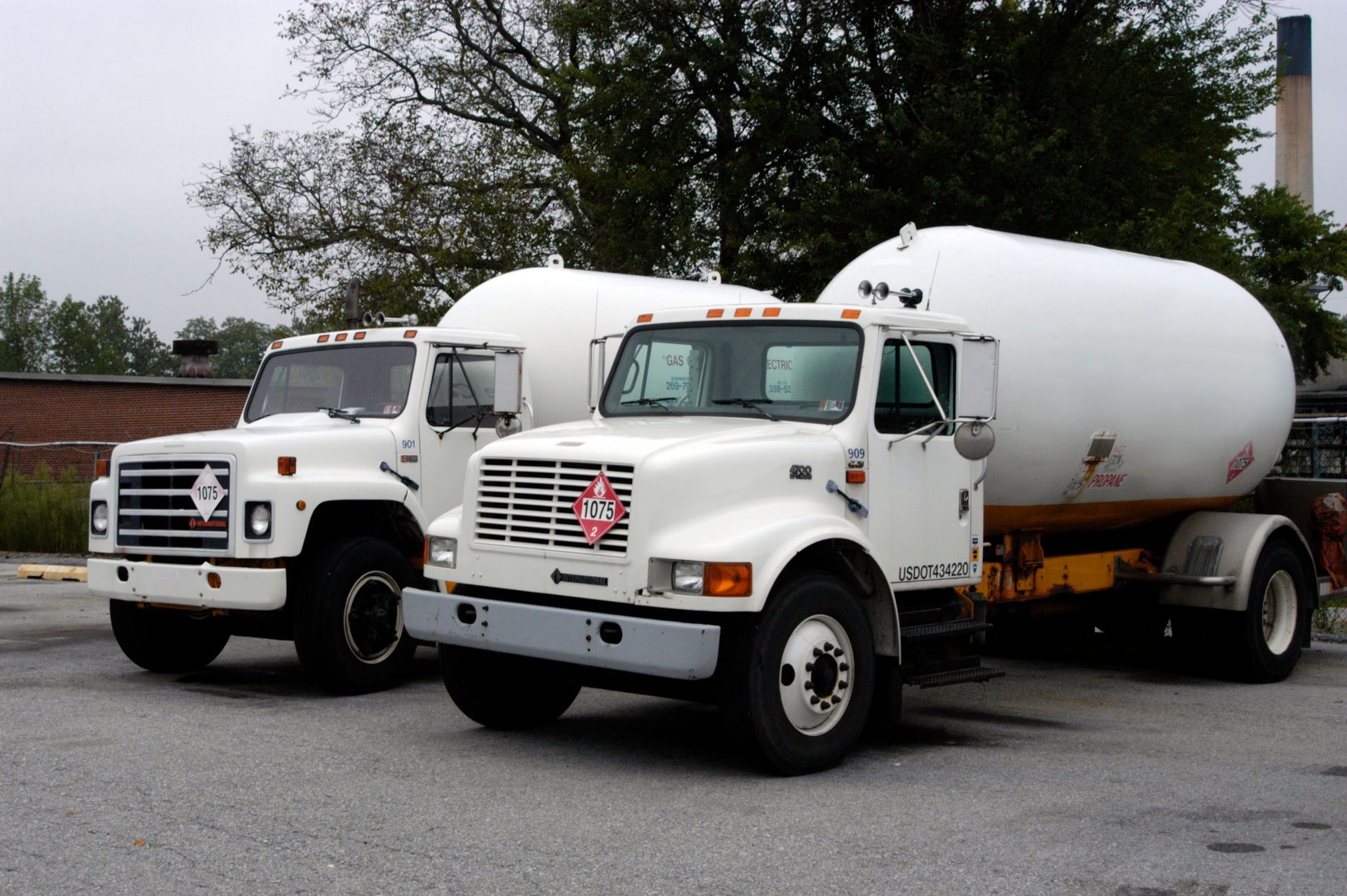
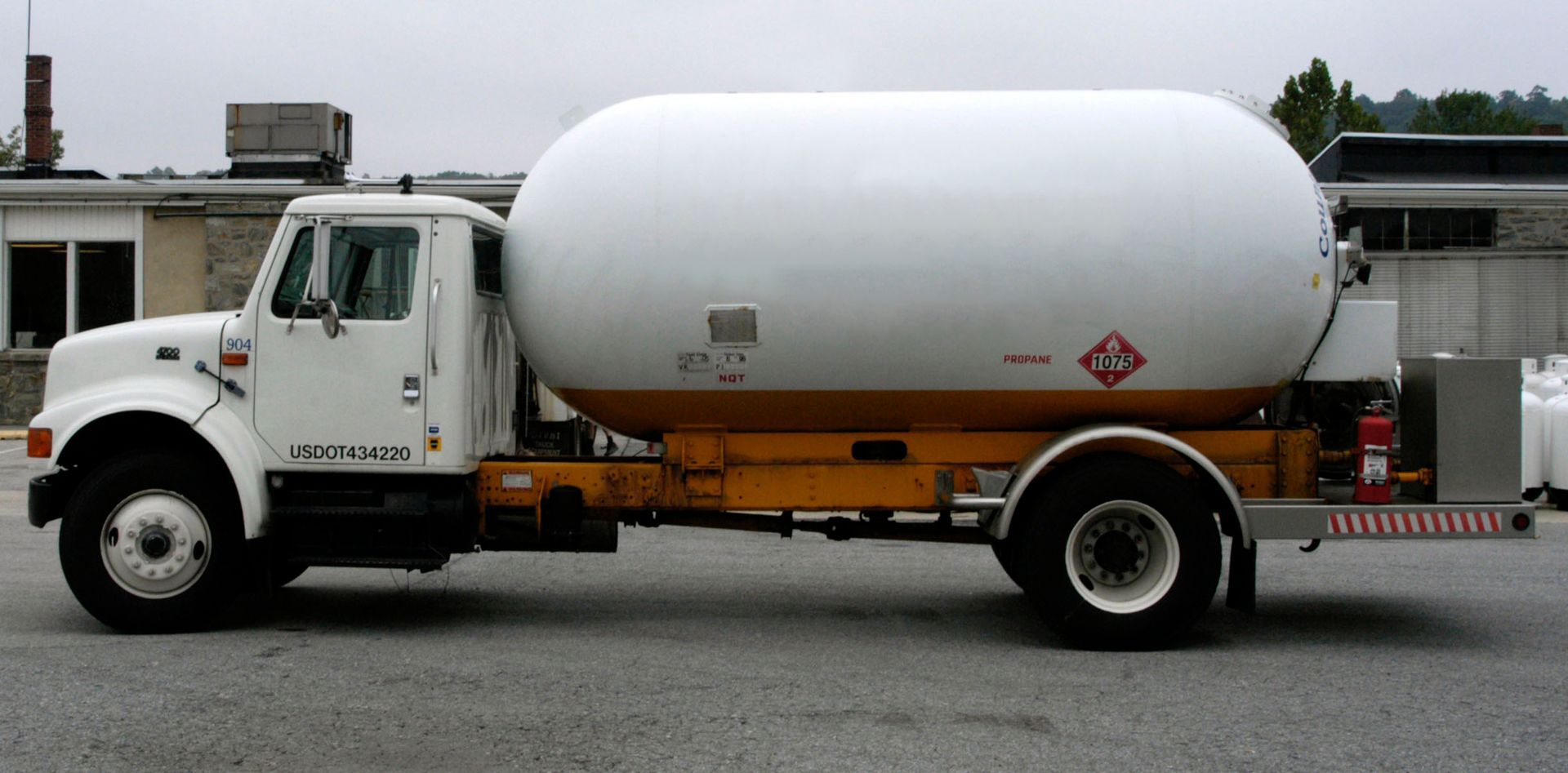
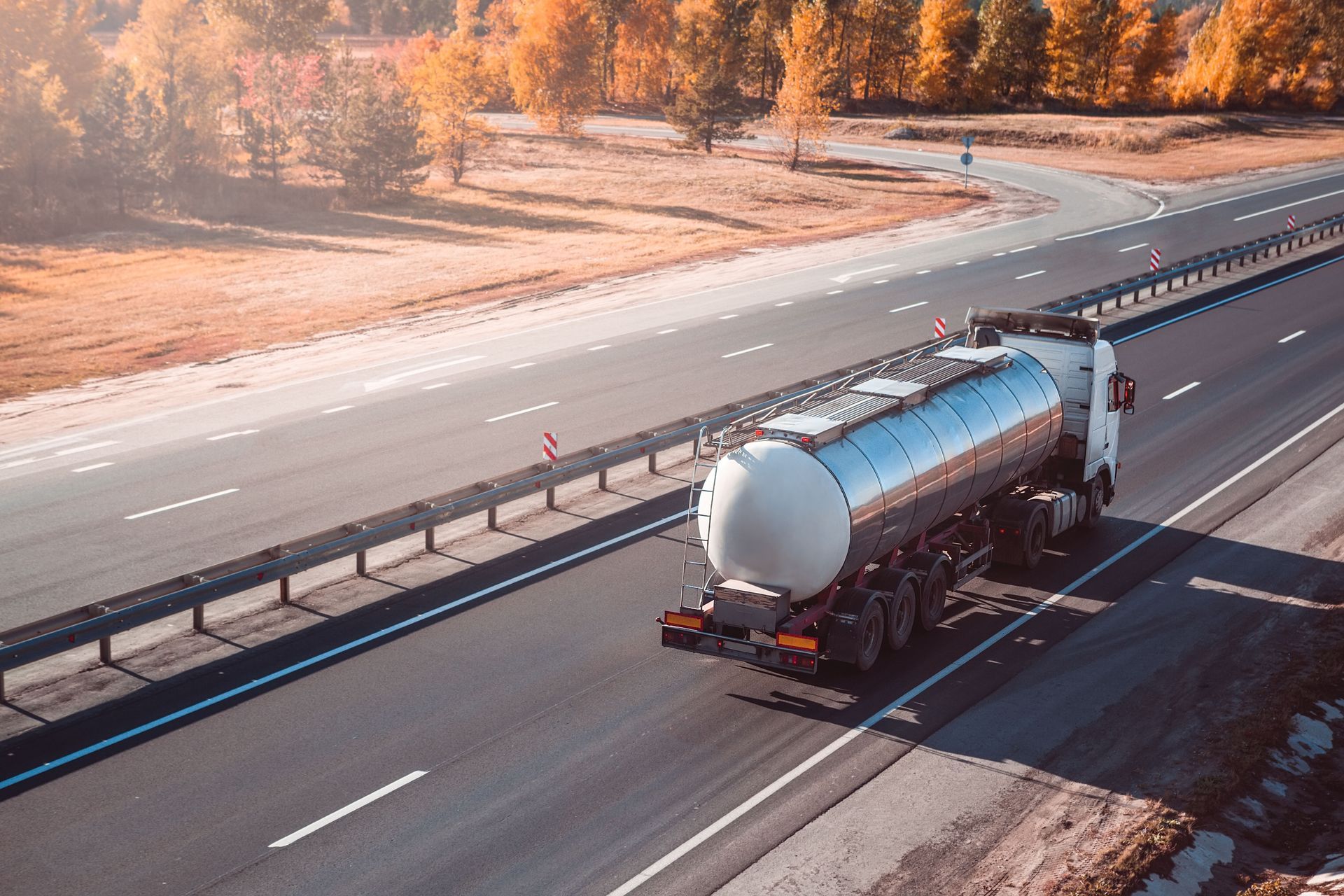
The reliability of this fuel source is well-documented by industry data reflecting its widespread adoption across the United States. According to the National Council on Energy, PERC reports indicate that there are nearly 60,000 vehicles currently traveling on American roadways that utilize approved propane fuel systems. This substantial figure includes everything from municipal school buses to delivery vans and private vehicle fleets. The success of these thousands of vehicles highlights the consistency of the technology, especially when supported by a dedicated commercial propane service that ensures high-quality fuel delivery and tank maintenance for various industries.
Evaluating Environmental and Cost Benefits
Beyond the physical safety of the hardware, choosing this alternative fuel provides a cleaner profile for the environment and a healthier bottom line for many businesses. Vehicles running on this gas emit significantly fewer greenhouse gases and particulate matter compared to those using diesel or gasoline. For companies managing large fleets, the transition to a commercial propane service allows for streamlined refueling processes and lower long-term maintenance costs. As the infrastructure for alternative fuels continues to improve, the combination of mechanical security and economic efficiency makes this an ideal choice for the modern driver. For more information on your fueling options, contact Lettermen's Propane KC today.
Share On: