
Homeowners today are comparing more than just fuel prices when choosing an energy provider, with decision-making now shaped by a broader set of practical considerations. Reliability, convenience, and service flexibility play a major role in determining whether propane delivery makes sense over the long term, especially for households with variable seasonal demand. With changing technology and shifting household energy needs, propane has evolved from a simple refill service into a more managed system that emphasizes planning and efficiency rather than reactive service calls. Local propane services are often at the center of this shift because they combine regional responsiveness with more modern delivery tools that improve consistency and reduce service gaps.
The real question for many homeowners is whether this approach delivers enough value to justify ongoing use compared to other energy options. Factors such as delivery automation, usage tracking, and improved scheduling can significantly change how propane is managed day to day. At the same time, the perceived value often depends on household size, consumption habits, and how much importance is placed on convenience versus hands-on management. Local propane services continue to position themselves as a practical solution for households seeking stability and reduced maintenance effort, particularly in areas where reliable heating is essential throughout the year.
Understanding Local Propane Services Delivering
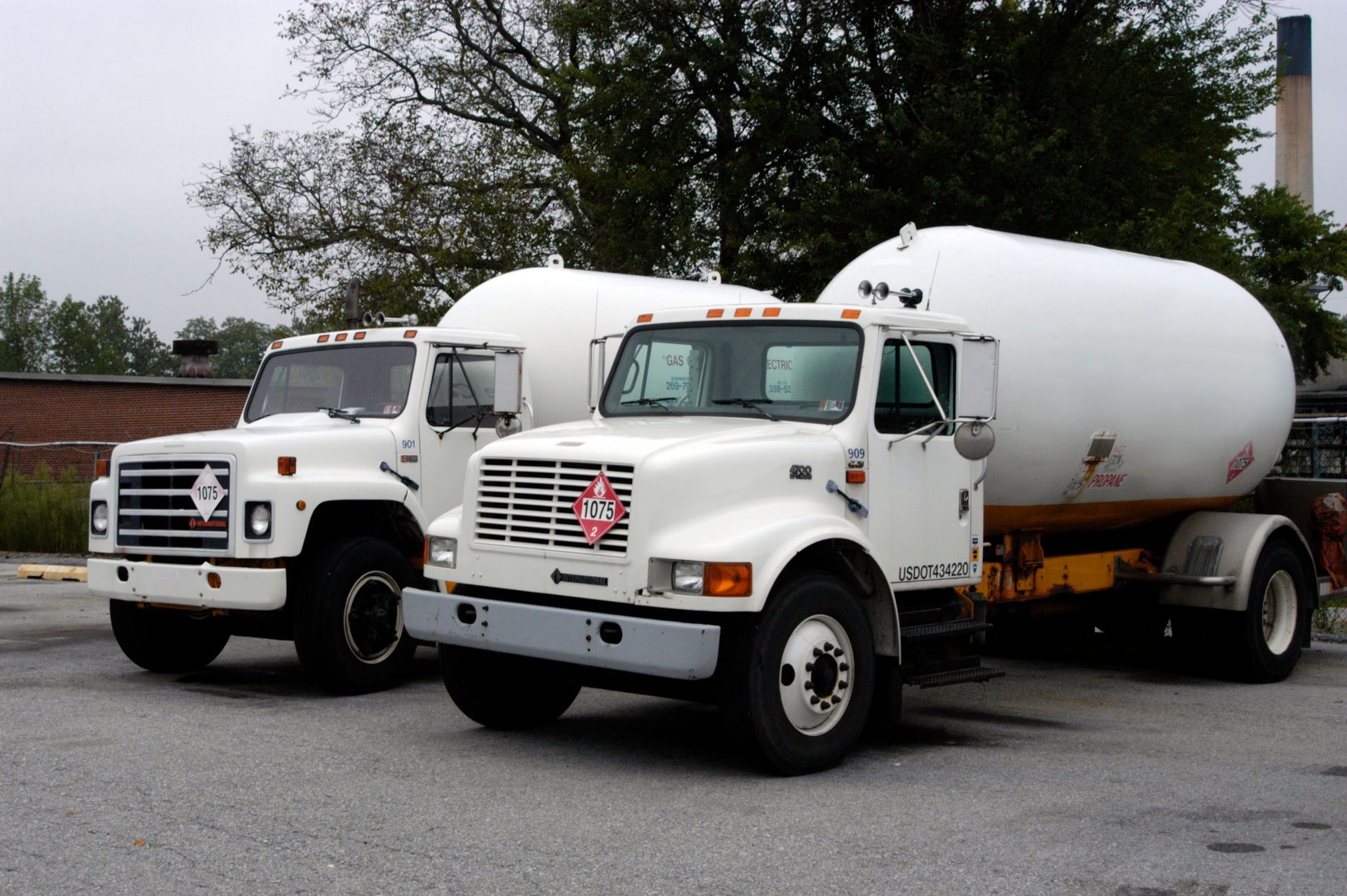
Local propane services are built around structured delivery schedules, usage-based refills, and ongoing tank support that adapts to household demand. Most providers operate within specific service areas, which allows them to respond quickly and adjust deliveries based on seasonal needs. This is especially important in regions where heating demand fluctuates throughout the year. Local propane services often reduce the stress of monitoring fuel levels by handling scheduling and refills proactively.
These providers also tend to focus on long-term customer relationships rather than one-time transactions. That means homeowners usually receive more consistent communication and service adjustments over time. In many cases, service teams are familiar with local weather patterns and consumption trends, which improves delivery accuracy. Local propane services are often seen as a practical solution for households that prefer predictable energy management without constant oversight.
Evaluating Local Propane Services Pricing
Pricing for propane delivery is not one-size-fits-all, and homeowners often encounter a mix of fixed-rate and variable pricing models. These structures depend on fuel market conditions, contract terms, and estimated usage. Understanding how billing works is important before committing to a provider. Local propane services typically offer multiple pricing options to accommodate different household budgets and consumption levels.
Upfront costs may include tank installation or system setup depending on the property’s existing infrastructure. While this can feel like a significant initial expense, it is often balanced by improved efficiency and fewer emergency refills over time. Many homeowners find that structured delivery reduces unpredictable costs throughout the year. Local propane services can become more financially stable when usage is properly tracked and managed across seasons.
Exploring Monitoring Technology Advancing
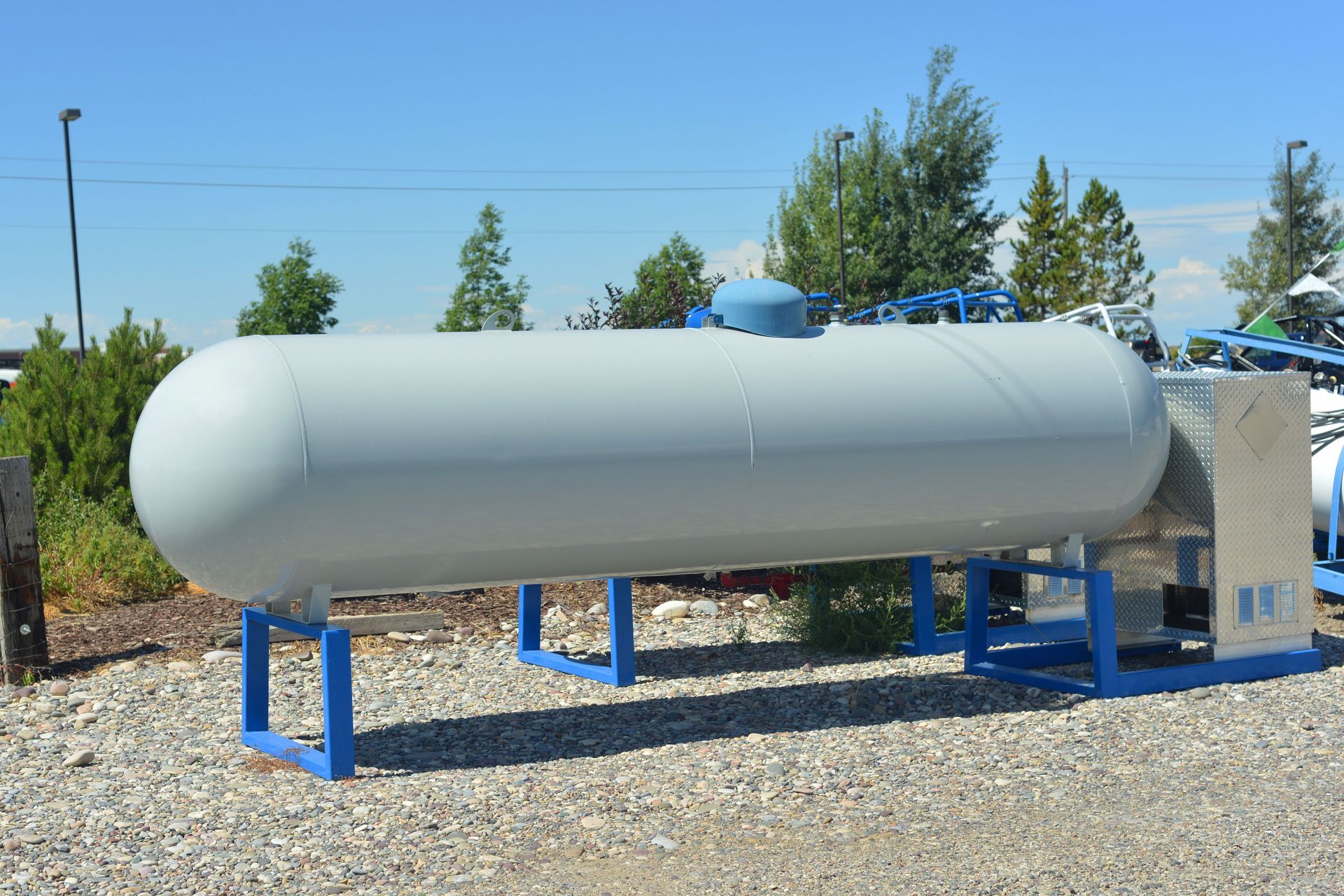
Technology has changed how propane systems are managed, especially through automatic monitoring tools that track fuel levels in real time. These systems use sensors attached to tanks to send updates directly to providers or homeowners. This removes much of the uncertainty that comes with manual checking. Local propane services are increasingly adopting this technology to improve delivery accuracy and reduce service interruptions.
The benefit is not just convenience but also better planning. Deliveries can be scheduled based on actual consumption rather than estimates, which improves efficiency on both ends. Homeowners receive alerts when fuel levels reach certain thresholds, reducing the risk of running out unexpectedly. Local propane services that integrate monitoring systems often provide a smoother and more predictable customer experience overall.
Improving Energy Efficiency Managing
Energy efficiency becomes easier to manage when propane usage is tracked consistently over time. Homeowners can identify patterns such as seasonal spikes or inefficient appliance use that may be increasing fuel consumption. This type of insight helps households make small adjustments that lead to meaningful savings. Local propane services often support this process by providing usage data or consumption summaries.
Better visibility into usage also helps reduce unnecessary deliveries and emergency refills. Over time, this creates a more stable and predictable energy routine for the household. It also supports better budgeting because homeowners can anticipate costs more accurately. Local propane services become more valuable when paired with proactive energy management habits at home.
Navigating Safety Standards Complying
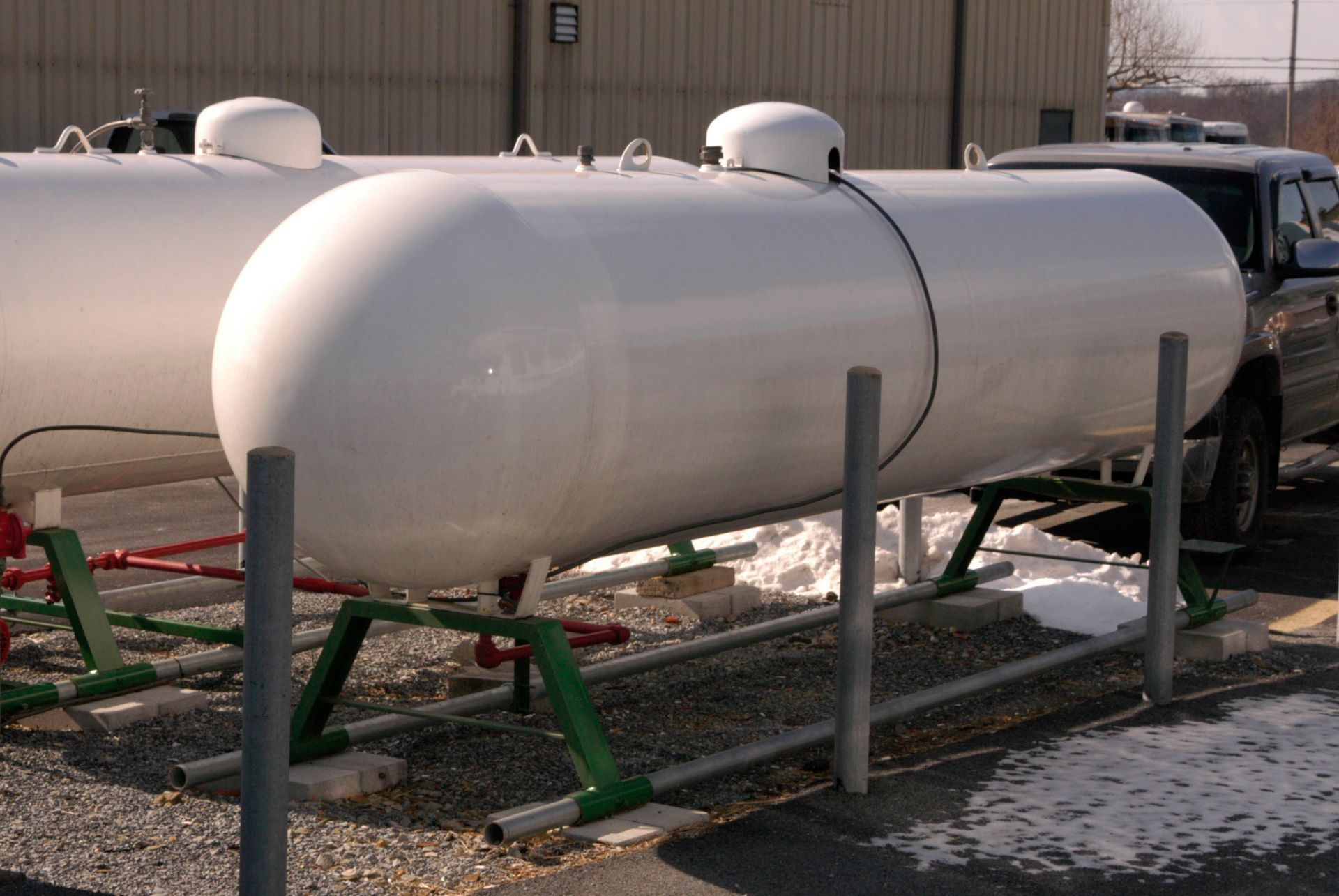
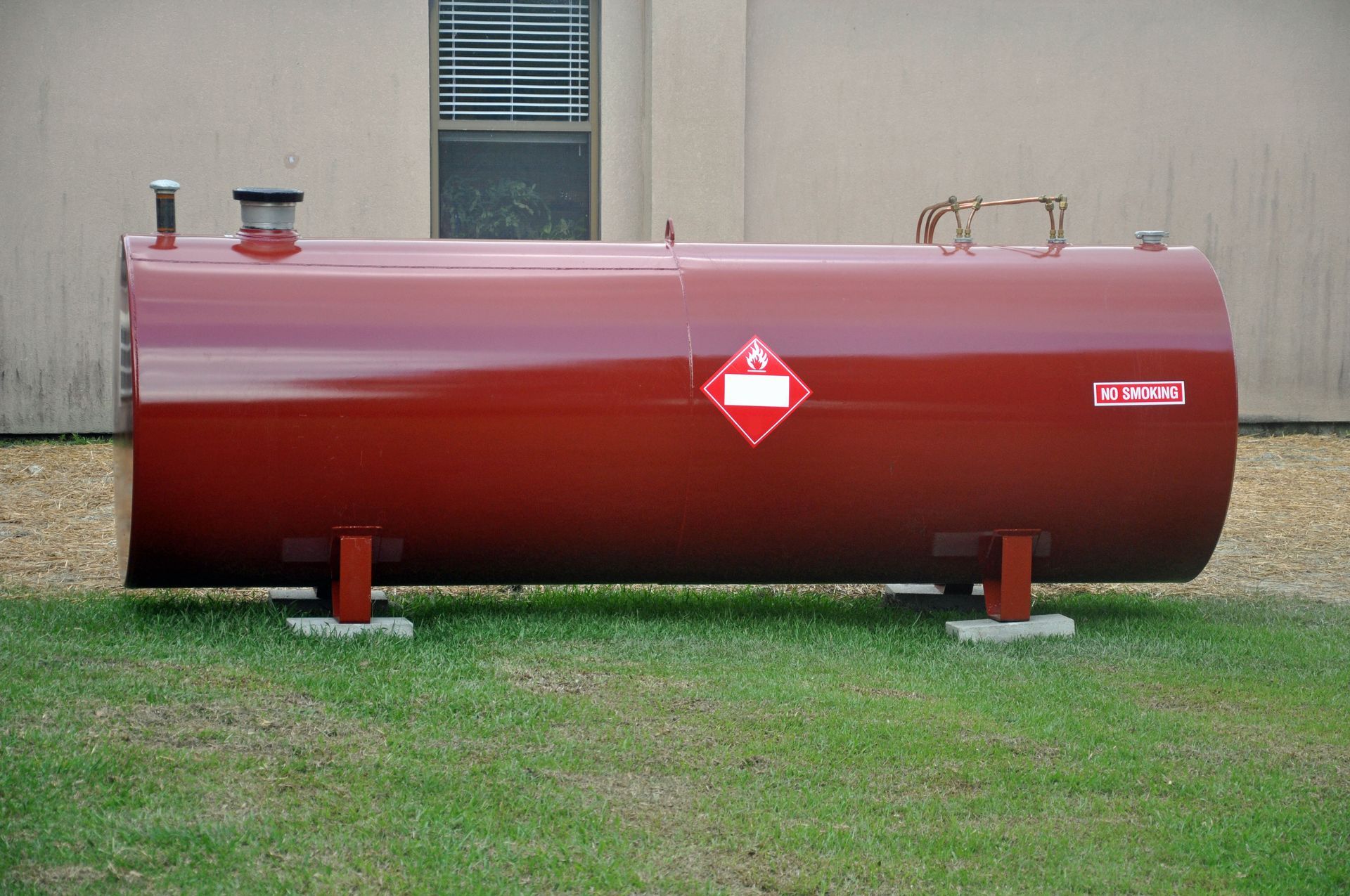
Safety regulations play a critical role in how propane systems are installed, maintained, and delivered. These rules ensure that tanks, transportation methods, and equipment meet strict operational standards. Compliance is not optional and directly affects both safety and service reliability. According to a 2024 HUD Fact Sheet, propane tanks up to 1,000 gallons that meet NFPA 58 (2017) setback and safety standards are generally exempt from additional separation distance requirements, reinforcing how established safety guidelines are already considered effective within regulatory systems.
These standards also influence how providers structure their services and monitoring systems. Local propane services must ensure that all operations align with federal and local safety requirements. This creates consistency across installations and reduces operational risks for homeowners. When compliance is properly maintained, it strengthens trust and ensures long-term system reliability.
Forecasting Industry Trends Growing
The propane industry is gradually shifting toward more automated and data-driven service models. Advances in monitoring technology and wireless communication are improving how fuel consumption is tracked and managed. This allows providers to better forecast demand and optimize delivery routes. Local propane services are increasingly adopting these tools to remain competitive and improve operational efficiency.
At the same time, homeowners are becoming more comfortable with connected energy systems that integrate into broader smart home setups. This shift is changing expectations around transparency and control. Consumers now expect real-time updates and more flexibility in how services are delivered. Local propane services that adapt to these trends are more likely to remain relevant in a rapidly evolving energy landscape.
Choosing Local Propane Services Partnering
Selecting a propane provider often comes down to reliability, communication, and service consistency. Homeowners typically look for providers that offer dependable delivery schedules and responsive customer support. Local propane services are often preferred because they provide faster response times and more personalized service compared to larger national suppliers. This can make a noticeable difference during peak demand seasons.
Long-term satisfaction depends on how well the service aligns with household usage patterns and expectations. While cost is important, reliability and convenience often carry equal weight in the decision-making process. Providers that offer monitoring tools and flexible delivery options tend to deliver better long-term outcomes. Local propane services remain a strong option for homeowners seeking stability and ease of energy management.
Local propane delivery continues to evolve as technology, safety standards, and consumer expectations reshape the energy landscape in meaningful ways for residential energy use. What was once a manual, reactive process has shifted toward a more structured and data-informed service model that prioritizes efficiency and consistency. For many homeowners, it offers a practical balance between convenience, reliability, and improved fuel management, especially during peak heating or high-demand seasons. While costs and service structures vary depending on location, usage, and provider, the overall system is designed to reduce uncertainty and improve planning.
The ability to track usage and automate delivery helps minimize disruptions, avoid unexpected outages, and support more predictable household budgeting over time. As monitoring tools become more widely adopted, households gain greater visibility into consumption patterns, which can further improve efficiency and reduce waste. Local propane services remain a viable option for households seeking consistent energy supply with fewer manual responsibilities, while still maintaining flexibility and control over their energy needs. Over time, this combination of reliability, oversight, and automation makes propane delivery a more streamlined energy solution for many homes. For dependable service and tailored propane delivery solutions, contact Lettermen's Propane KC today.

Share On: